Accepting SNAP, the food benefits customers spend with their state's EBT card, requires authorization from the USDA Food and Nutrition Service. It is the one store permit that works the same in every state: a Texas Lone Star card, a California Golden State Advantage card and a Florida ACCESS card all run through the same federal program, and the store applies to USDA, never to the state. The application is free, but it is detailed: every owner is listed and background-checked, and the store must meet USDA's staple-food stocking rules from the day the application is filed. Calibre Licensing Services prepares the application, checks your inventory against the rules, and follows up with USDA until your store is authorized, for stores in Texas and in every other state.
Store owners only
This page is for retailers who want to accept SNAP at their store. If you are a household looking to receive SNAP benefits, apply through your state agency via the USDA state directory.
Who qualifies for SNAP authorization
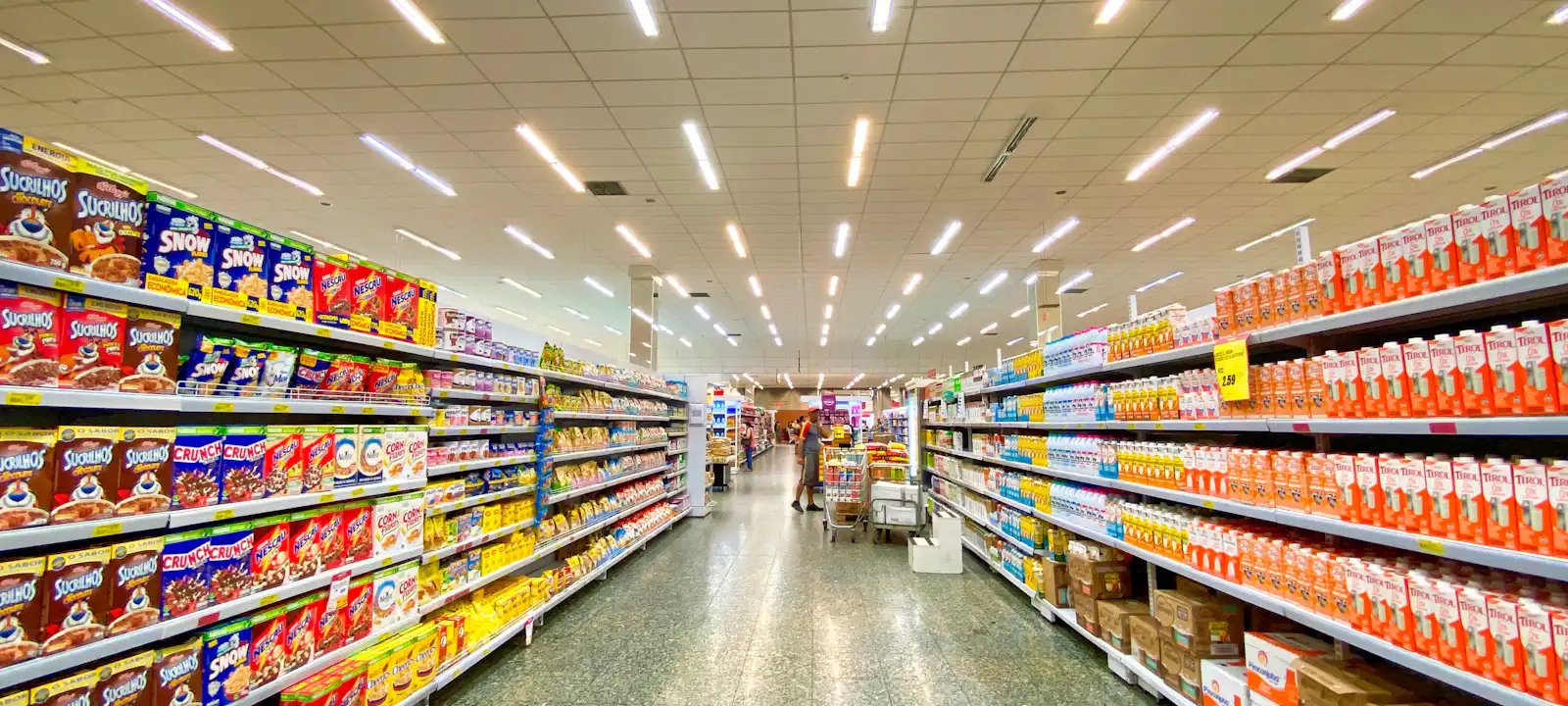
USDA authorizes stores that sell food for home preparation. Most convenience stores, gas stations, grocery stores and markets qualify once their shelves meet the stocking rule. Restaurants and hot-food sellers do not qualify under this application. The inventory test is the part most first-time applicants fail:
- Stock in each of four staple food categories: breads and cereals, dairy, meat, poultry and fish, and vegetables and fruits.
- At least three different varieties in each category, with three stocking units of each variety on the shelf continuously. Three bags of rice, three boxes of pasta and three loaves of bread, for example, count as three varieties in breads and cereals.
- Perishable items in at least three of the four categories: fresh, refrigerated or frozen.
- Snacks, candy, soft drinks and hot food do not count toward the staple categories.
Stores that cannot meet the stocking rule can still qualify if more than half of their total sales come from staple foods (USDA's "Criterion B"), which fits specialty markets such as butcher shops and produce stands. USDA may visit the store unannounced after the application is filed to check the shelves. We walk you through what to stock before we file, so the visit goes smoothly.
How the SNAP application works
- Intake. You complete our SNAP intake form: store details, ownership, the USDA eligibility questions, sales figures and current inventory. If anything is missing, someone from our team calls you.
- Inventory review. We check your stock against the staple-food rules and tell you exactly what to add before filing.
- Filing. We submit the application (Form FNS-252) through USDA's SNAP Retailer Service Center with color copies of each owner's ID and Social Security card and your existing store permits.
- Certification statement. USDA issues a Certification and Signature Statement after filing. Each owner signs it and we return it.
- Store visit and approval. USDA states it processes a complete application within 45 days and may visit the store. We respond to any follow-up. Once authorized, your store receives its FNS number and can set up EBT equipment.
SNAP retailer application by state
The application is the same everywhere; what changes is the name on the customer's card and the state permits that sit alongside SNAP (sales tax, tobacco, alcohol, food). For the states where we file the whole stack, the last column links to that state's permit page.
| State | EBT card your customers use | Where the store applies |
|---|---|---|
| Alabama | Alabama EBT card | Apply to USDA FNS |
| Alaska | Alaska Quest card | Apply to USDA FNS |
| Arizona | Arizona Quest card | Apply to USDA FNS |
| Arkansas | Arkansas EBT card | Apply to USDA FNS · full permit stack |
| California | Golden State Advantage card | Apply to USDA FNS · full permit stack |
| Colorado | Colorado Quest card | Apply to USDA FNS |
| Connecticut | Connecticut EBT card | Apply to USDA FNS |
| Delaware | Delaware EBT card | Apply to USDA FNS |
| District of Columbia | DC EBT card | Apply to USDA FNS |
| Florida | Florida ACCESS EBT card | Apply to USDA FNS · full permit stack |
| Georgia | Georgia EBT card | Apply to USDA FNS · full permit stack |
| Hawaii | Hawaii EBT card | Apply to USDA FNS |
| Idaho | Idaho Quest card | Apply to USDA FNS |
| Illinois | Illinois Link card | Apply to USDA FNS · full permit stack |
| Indiana | Hoosier Works card | Apply to USDA FNS |
| Iowa | Iowa EBT card | Apply to USDA FNS |
| Kansas | Kansas Benefits card | Apply to USDA FNS |
| Kentucky | Kentucky EBT card | Apply to USDA FNS |
| Louisiana | Louisiana Purchase card | Apply to USDA FNS · full permit stack |
| Maine | Pine Tree card | Apply to USDA FNS |
| Maryland | Independence card | Apply to USDA FNS |
| Massachusetts | Massachusetts EBT card | Apply to USDA FNS |
| Michigan | Bridge card | Apply to USDA FNS |
| Minnesota | Minnesota EBT card | Apply to USDA FNS |
| Mississippi | Mississippi EBT card | Apply to USDA FNS |
| Missouri | Missouri EBT card | Apply to USDA FNS |
| Montana | Montana Access card | Apply to USDA FNS |
| Nebraska | Nebraska EBT card | Apply to USDA FNS |
| Nevada | Nevada EBT card | Apply to USDA FNS |
| New Hampshire | New Hampshire EBT card | Apply to USDA FNS |
| New Jersey | Families First card | Apply to USDA FNS |
| New Mexico | New Mexico EBT card | Apply to USDA FNS |
| New York | New York EBT card | Apply to USDA FNS |
| North Carolina | North Carolina EBT card | Apply to USDA FNS |
| North Dakota | North Dakota EBT card | Apply to USDA FNS |
| Ohio | Ohio Direction card | Apply to USDA FNS |
| Oklahoma | Oklahoma ACCESS card | Apply to USDA FNS |
| Oregon | Oregon Trail card | Apply to USDA FNS |
| Pennsylvania | Pennsylvania ACCESS card | Apply to USDA FNS |
| Rhode Island | Rhode Island EBT card | Apply to USDA FNS |
| South Carolina | South Carolina EBT card | Apply to USDA FNS |
| South Dakota | South Dakota EBT card | Apply to USDA FNS |
| Tennessee | Tennessee EBT card | Apply to USDA FNS |
| Texas | Lone Star card | Apply to USDA FNS · full permit stack |
| Utah | Horizon card | Apply to USDA FNS |
| Vermont | Vermont EBT card | Apply to USDA FNS |
| Virginia | Virginia EBT card | Apply to USDA FNS |
| Washington | Washington Quest card | Apply to USDA FNS |
| West Virginia | West Virginia EBT card | Apply to USDA FNS |
| Wisconsin | Wisconsin QUEST card | Apply to USDA FNS |
| Wyoming | Wyoming EBT card | Apply to USDA FNS |
Ownership changes
SNAP authorization cannot be transferred. When a store changes hands, the new owner must apply for their own authorization, and the old owner's authorization ends. Buying a store that already accepts EBT does not mean you can keep accepting it. We file the new application as part of the ownership change so the gap is as short as possible.
Reauthorization and staying compliant
USDA periodically reauthorizes stores and can request updated ownership and sales information at any time. Stocking must stay compliant year-round, not only for the first visit, and trafficking or selling ineligible items carries disqualification. We keep the reauthorization date on the same renewal calendar as your other permits (see our Texas permit renewal dates guide).
After approval: EBT equipment
Authorization lets you accept SNAP; it does not include the terminal. Most stores process EBT through their existing card processor, or through a third-party EBT processor if they want a separate terminal. Ask us about equipment options when your authorization comes through.
Filing from Texas, for stores anywhere
Because SNAP is federal, we file for stores in all 50 states from our office in Stafford, Texas. For stores in Texas, California, Florida, Arkansas, Georgia, Illinois and Louisiana we also file the state and local permits around it.
Official sources
We link to the agencies directly so you can verify every requirement.
Frequently asked questions
How do I apply to accept SNAP / EBT at my store?
You apply to the USDA Food and Nutrition Service, not to your state. The application is filed online through the SNAP Retailer Service Center using Form FNS-252, lists every owner, and requires your store to meet USDA's staple-food stocking rule from the day you file. Calibre Licensing Services checks your inventory, prepares and files the application, and handles USDA follow-up for stores in any state.
Is the SNAP retailer application different in each state?
No. SNAP retailer authorization is federal and the same store application applies in all 50 states and the District of Columbia. Only the name of the EBT card and the state's own permits (sales tax, tobacco, alcohol, food) differ, and those are listed on our state pages.
Does it cost anything to apply for SNAP retailer authorization?
USDA does not charge an application fee. Calibre Licensing Services charges a flat service fee for preparing, filing and following up on the application, quoted up front. EBT equipment after approval is a separate cost from your processor.
How long does SNAP authorization take?
USDA states it processes a complete application within 45 days of receiving all documents and signatures, and it may visit the store to check the shelves. Complete applications with a compliant inventory move fastest; missing documents or an inventory that fails the visit are the main causes of delay.
What food do I need to stock to qualify for SNAP?
Three varieties with three stocking units each in every one of the four staple categories: breads and cereals, dairy, meat, poultry and fish, and fruits and vegetables, with perishables in at least three categories. Snacks, candy, soft drinks and hot food do not count. We review your shelves against the rule before filing.
I bought a store that already accepts EBT. Can I keep using it?
No. SNAP authorization does not transfer to a new owner. You must apply for your own authorization, and the previous owner's authorization ends at the sale. We file the new application as part of your change of ownership so the gap is as short as possible.
Can a gas station get SNAP authorization?
Yes, if the store portion meets the staple-food stocking rules. Gasoline and other nonfood sales are reported on the application but do not disqualify the store.
Last reviewed October 2026. Rules change; we verify each one against USDA at the time of filing.